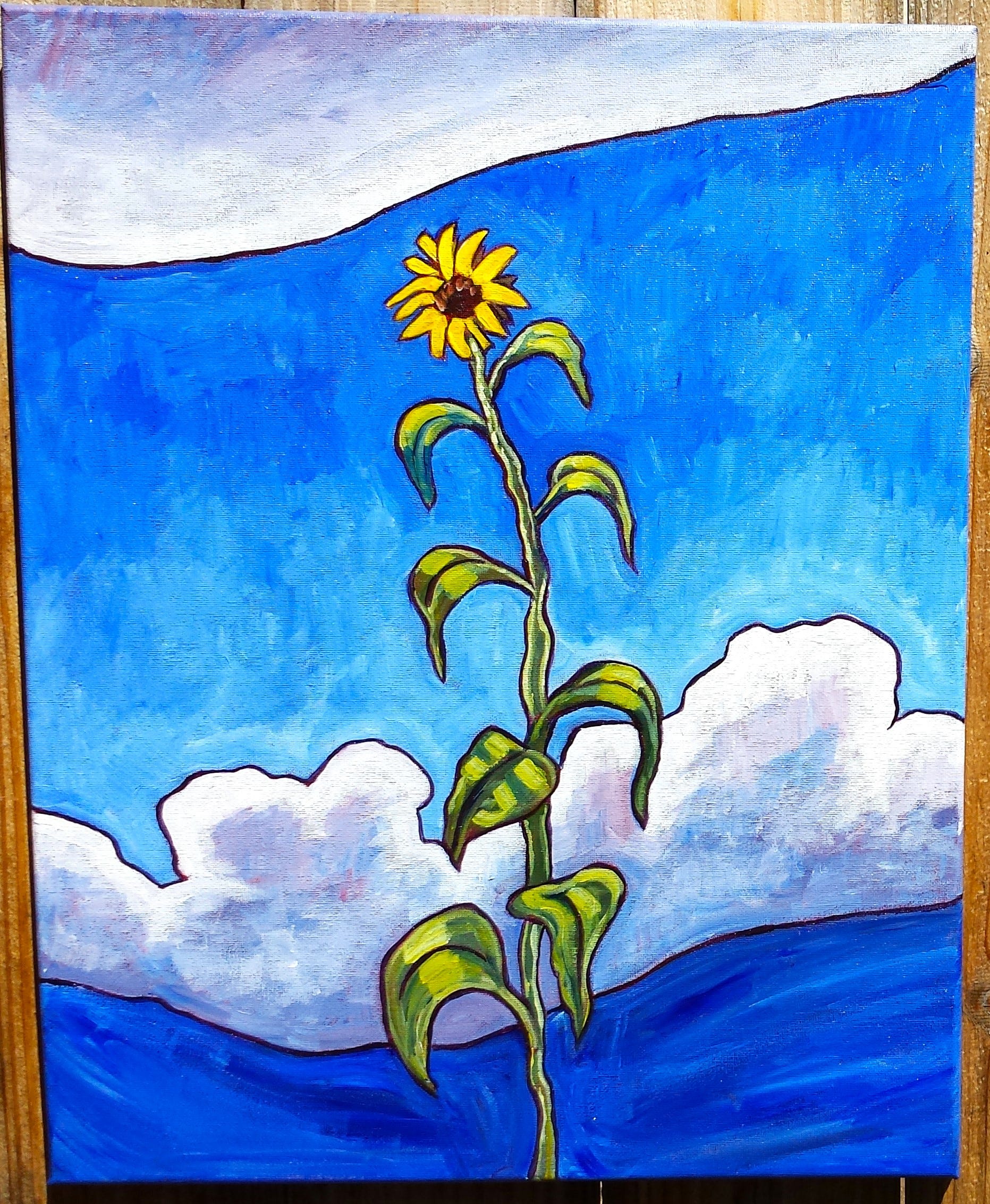
Jerusalem Artichoke
Helianthus tuberosa

(8) Jerusalem Artichoke – Helianthus tuberosa

bloom time – late August-October
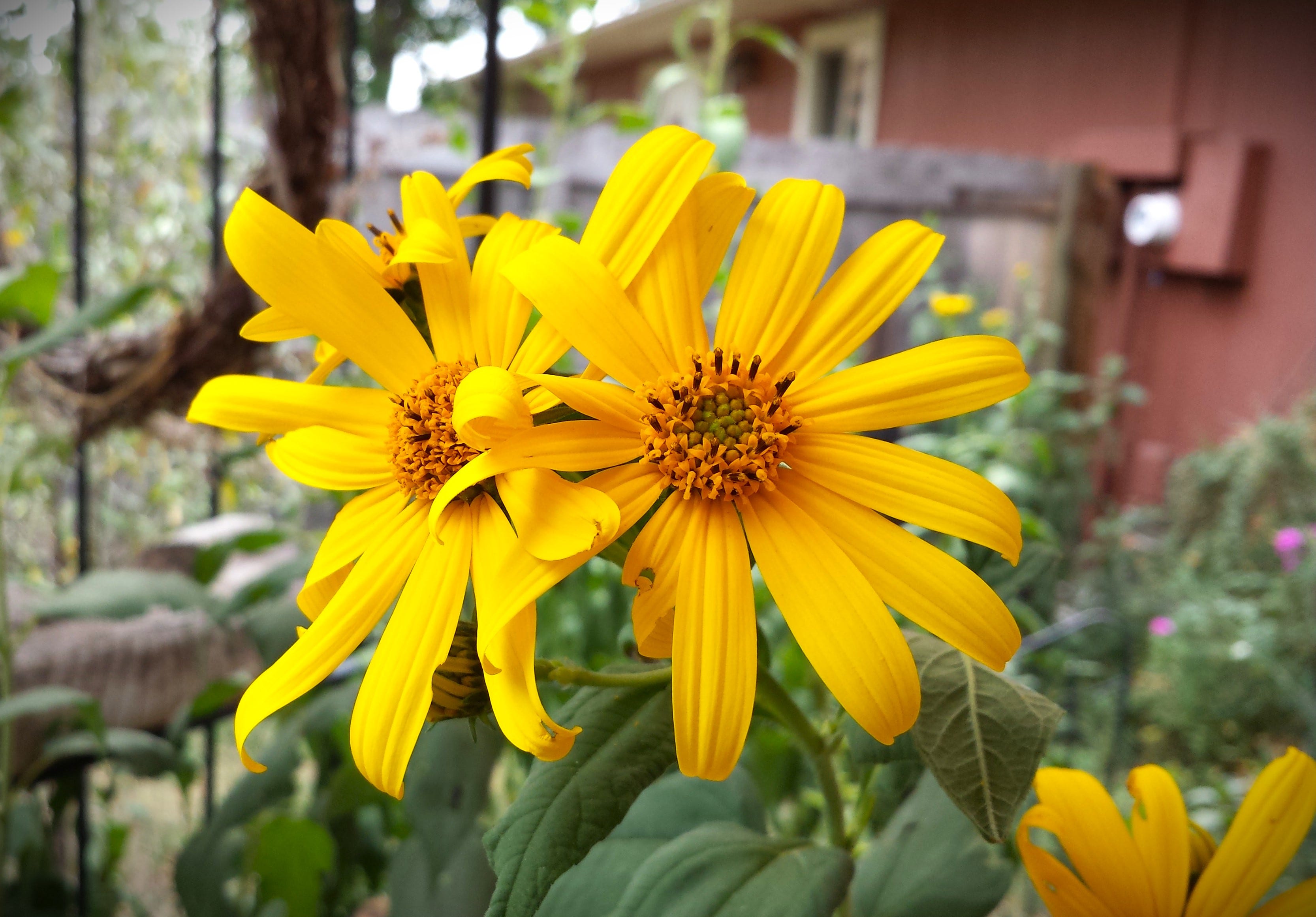
	I first read about this plant in Euell Gibbons’ Stalking the Wild Asparagus, a classic in foraging literature. Euell made it sound so good. We looked and looked, but for many years could not find it in the wild. Then one day, maybe twelve, thirteen years ago, a friend brought us over a handful of tubers. We put a few in the front yard, and a few in the back. Now it’s like we have a forest of them.
	They are such fascinating plants because they get so big so fast. They’re perennial sunflowers which grow up to seven or eight feet tall by the end of summer. It’s pretty amazing watching plants that aren’t even above ground in winter grow to be taller than you are in just three months. Some days they grow as much as three inches a day. At that rate you could literally sit there and watch them grow.
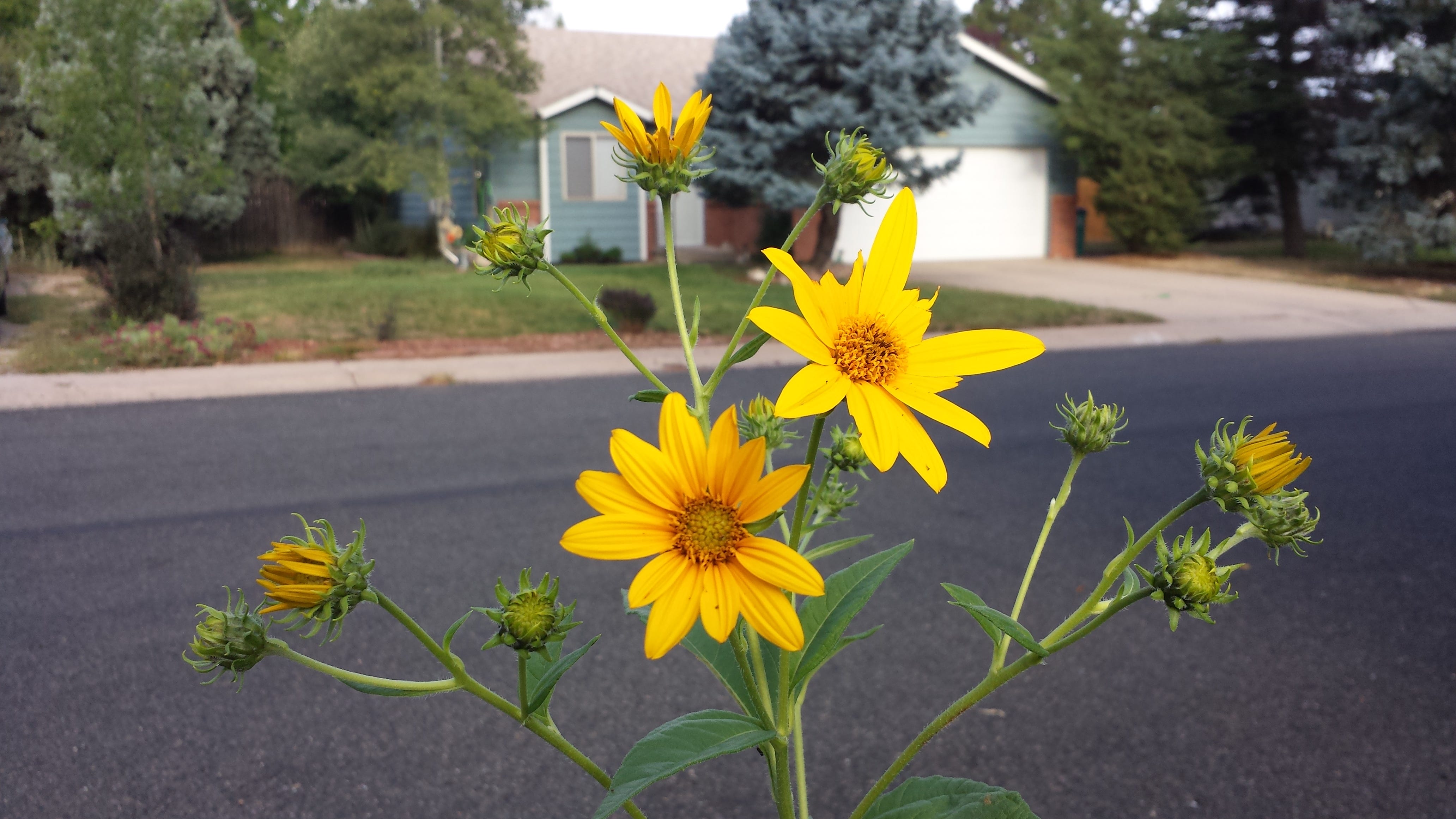
	I also like them because they bloom at the end of summer and into fall, when most other flowers have long since gone to seed, which makes them important for late season pollinators, and people who like to see flowers in September.
	Jerusalem Artichoke is a substantial food. But they are not artichokes, they are sunflowers. They do not make artichoke like flowers, and you do not eat them like artichokes. You eat the roots. The tubers to be exact. We typically eat them in spring, digging them up around Passover time. I will cut the stalks in winter after the birds have eaten all the seeds. (ps, birds love the seeds, leave them there for a natural winter bird feeder) Leave a couple of inches of stalk above ground so you know where to dig in spring, or wait for them to start growing again.
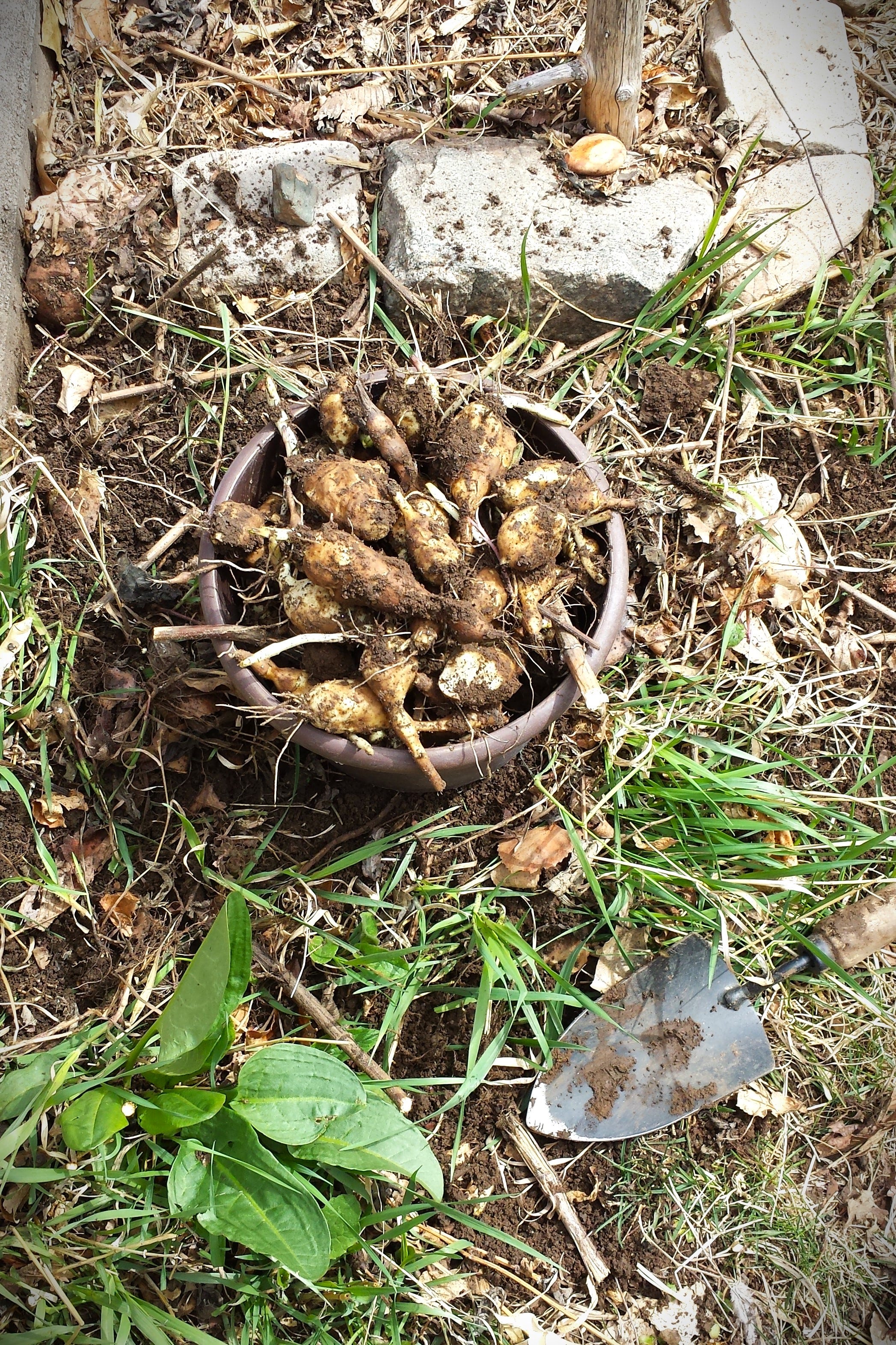
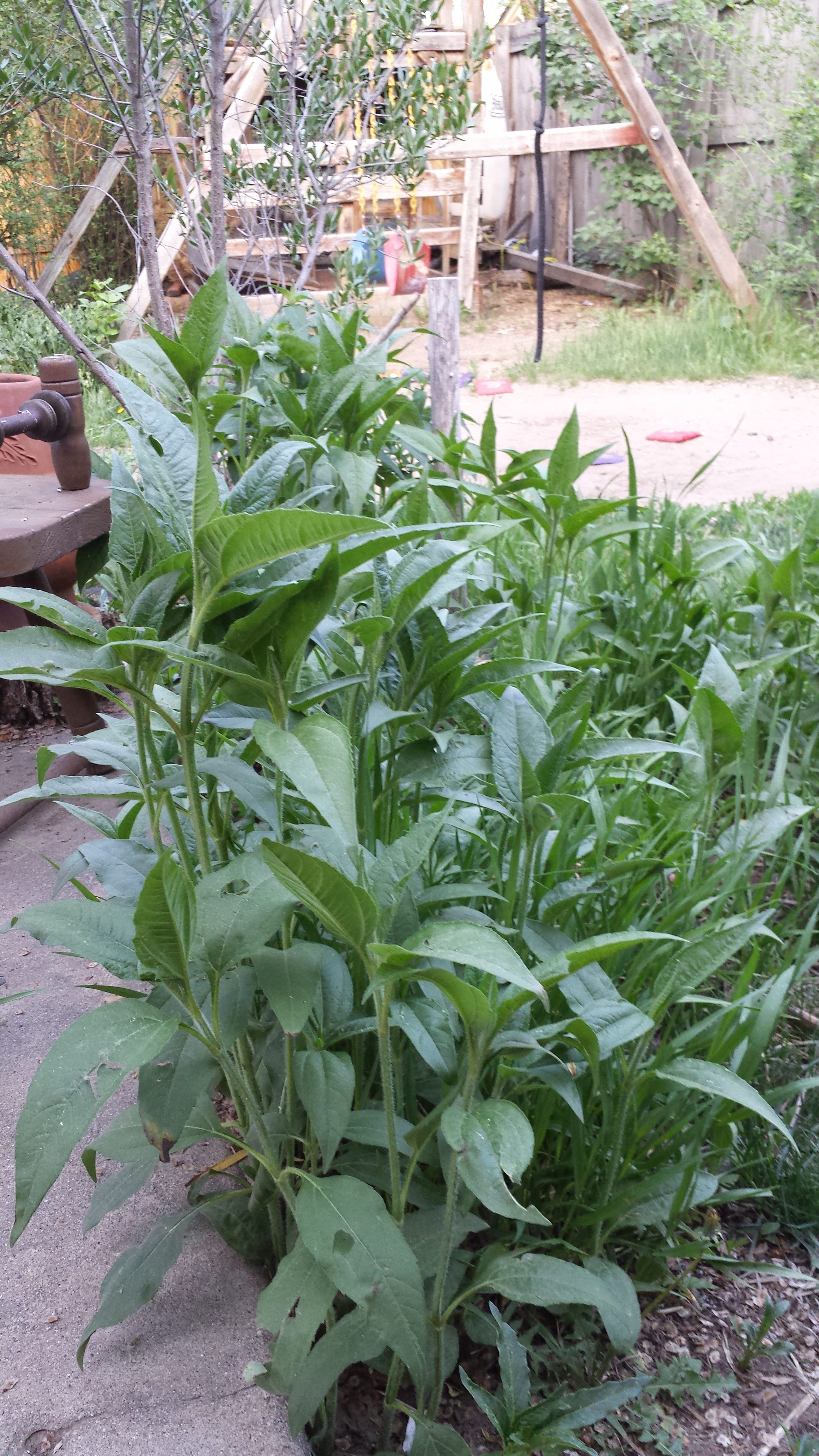
Jerusalem Artichoke colonies respond well to digging. In fact, if you want your colony to grow, the worst thing you can do for it is to leave it alone. The tubers will grow larger and more numerous in response to digging. Eating them benefits both you and the plants. Earlier this year I wanted to thin out, or move rather, a patch that had taken over our mint garden and was crowding out our Buffalo Berry tree. I filled a five gallon bucket full of tubers, and worried that I’d dug too many. I wanted to leave some of them to grow, just not in the mint garden. Fast forward to mid-July, and you can barely tell I’d dug any at all. And still, every two or three days I go through the mint garden pulling out Jerusalem Artichoke shoots that have sprung up in the blink of an eye.
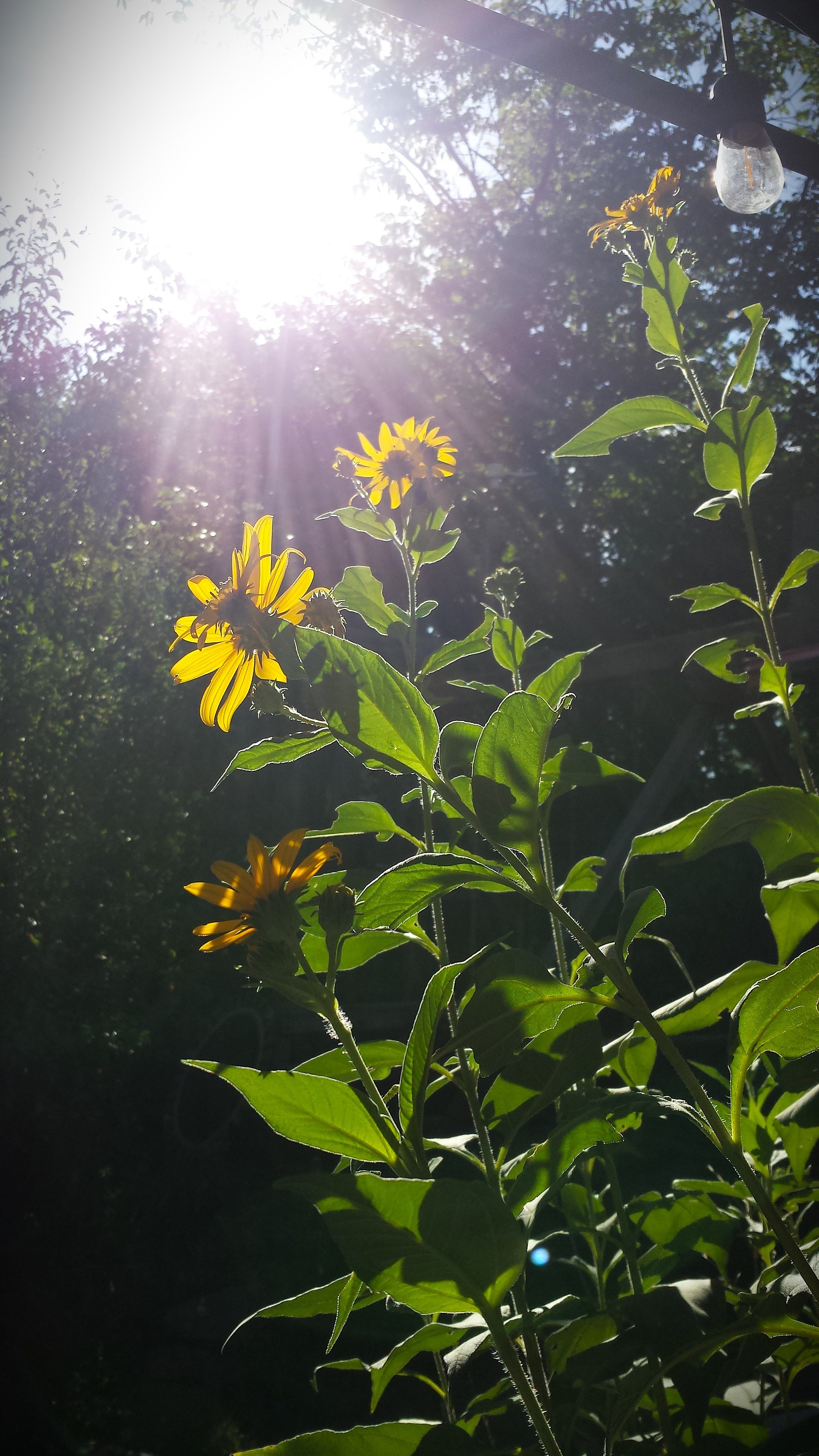
	Now, about eating them. Almost all accounts say, and they’re not necessarily wrong, to cook and eat them like potatoes. But I feel like these comparisons, so common in the wild food literature, of wild foods to cultivated ones that we’re familiar with, does a disservice to the wild foods by placing unrealistic expectations on them. Jerusalem Artichoke is not a potato. It does not taste like a potato, nor does it have the texture of one, and if you cook it and eat it expecting a potato, you’re likely to be disappointed. But if you eat it on it’s own terms, it’s a unique and delicious experience.
	We used to eat them cooked, but earlier this year, after harvesting a bunch of them, we started eating them raw. Beth had a headache one day, and her intuition told her to eat a raw tuber. She did so and her headache went away. She repeated the experiment a couple of other times with the same results. We all started eating them raw and like them so much it’s now our preferred way to eat them. Although they are good both roasted, and cooked in a stir-fry. Not long after this discovery, I read about the Ojibwe eating them raw. Then again, in another book, I read about tribes in the northeastern territories eating them raw. They have a nice crunch to them, and make a satisfying sound when eaten raw. The taste is good and mild, few would find them disagreeable.
	If you want to grow some yourself, just let me know, we’ve got plenty to share.